My Pre-Market Trading Routine: How I Prepare Before The Market Opens
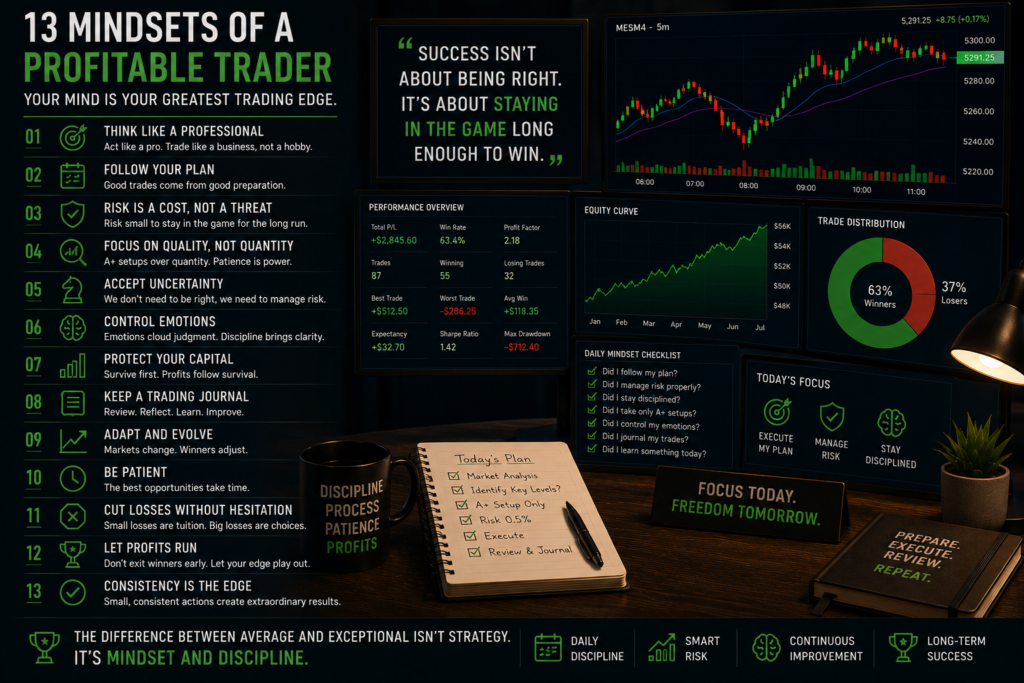
My pre market trading routine wasn’t always structured. When I first started trading, I would open my platform and immediately begin looking for trades.
One of the biggest mistakes I made when I first started trading was opening my platform and immediately looking for trades.
I thought success came from finding the perfect setup.
What I’ve learned is that successful trading starts long before the market opens.
Preparation creates confidence. Confidence improves execution. Better execution leads to consistency.
Today, I follow a simple pre market trading routine that helps me stay focused and disciplined before I place a single trade.
Why My Pre Market Trading Routine Matters
The market doesn’t care if I’m ready.
Every trading session presents opportunities and risks. Without preparation, it’s easy to become reactive and make emotional decisions.
A structured routine helps me:
- Understand market conditions
- Identify key levels
- Define potential trade setups
- Reduce emotional trading
- Follow my trading plan
The goal isn’t to predict the market.
The goal is to prepare for multiple scenarios.
Review Higher Time Frames
Before looking at the 1-minute chart, I review higher time frames.
I typically start with:
- Daily chart
- 4-hour chart
- 1-hour chart
This helps me identify:
- Major support and resistance levels
- Market structure
- Overall trend direction
- Important swing highs and lows
Knowing the bigger picture keeps me from getting trapped by short-term market noise.
Mark Key Price Levels
Once I understand the larger trend, I mark important areas on my charts.
These include:
- Previous day high
- Previous day low
- Overnight high
- Overnight low
- Weekly highs and lows
- Major support and resistance zones
These levels often become important decision points during the trading session.
Check Economic News
Before every session I review the economic calendar.
I review the economic calendar each morning using the official CME economic calendar.
High-impact news events can create extreme volatility and unpredictable price action.
I pay close attention to:
- FOMC announcements
- CPI reports
- Non-Farm Payrolls
- Federal Reserve speeches
- Major economic releases
Knowing when important events are scheduled helps me avoid unnecessary risk.
Create My Trading Plan
Every morning I define what I want to see before entering a trade.
I ask myself:
- Is the market trending or ranging?
- What direction offers the best opportunities?
- What setups am I willing to trade?
- What setups will I avoid?
Writing down expectations helps me stay disciplined when the market becomes fast and emotional.
Define Risk Before Trading
Risk management is part of my preparation process.
Before the session begins, I know:
- Maximum daily loss
- Maximum risk per trade
- Number of trades I am willing to take
These rules help protect capital and prevent emotional decision making.
Get Into The Right Mindset
Trading is not just technical.
Mental preparation matters.
Before trading begins I try to eliminate distractions and focus entirely on executing my plan.
I remind myself:
- Follow the process
- Manage risk
- Accept losses
- Stay patient
A calm trader makes better decisions.
Common Mistakes Traders Make Before The Open
Many traders focus entirely on finding trade setups while ignoring preparation. This often leads to impulsive decisions and unnecessary losses.
Some common mistakes include:
- Trading without a plan
- Ignoring economic news events
- Failing to mark key levels
- Risking too much on a single trade
- Starting the day with unrealistic expectations
A consistent pre market trading routine helps eliminate many of these mistakes and creates a stronger foundation for long-term success.
Final Thoughts
My pre market trading routine doesn’t guarantee winning trades.
What it does provide is structure, discipline, and confidence.
The market is uncertain every day.
Preparation allows me to approach that uncertainty with a plan instead of emotion.
Over time, I’ve learned that some of the most important trading decisions happen before the opening bell ever rings.